The Thrill of Chance
The allure of casino games often stems from the excitement of chance. Gamblers experience a rush when they place a bet, fueled by the uncertainty of the outcome. This thrill, known as «the gambling high,» is linked to the brain’s reward system. Dopamine, a neurotransmitter associated with pleasure and reward, is released during moments of potential victory, heightening the emotional response to the game. In fact, many players have found that the best ontario online casino apps offer an exciting platform for this very experience.
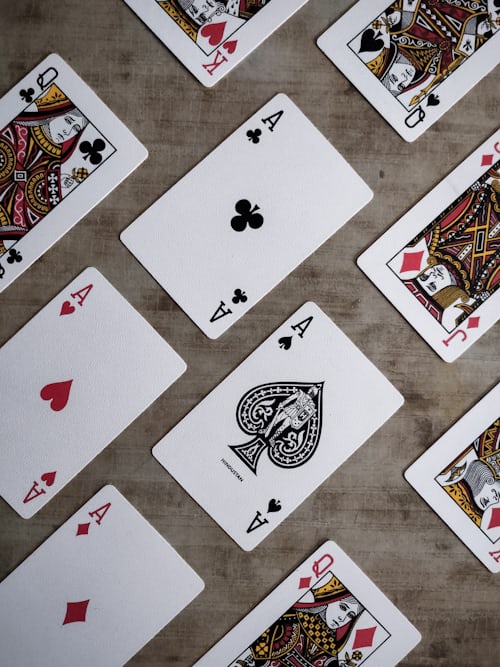
This psychological phenomenon is significant in understanding why individuals are drawn to casinos. The anticipation of winning, combined with the possibility of a life-changing jackpot, creates an addictive cycle. Players often find themselves returning to experience this ephemeral joy, despite the mathematical odds that are typically against them.
The Role of Social Interaction
Another compelling aspect of casino games is the social environment they foster. Many players are attracted to the communal experience of gaming, whether at table games or slot machines. The ability to share moments of exhilaration and anxiety with fellow gamblers enhances the overall experience, making it more enjoyable and less solitary.
This social dynamic can also encourage players to engage in riskier behavior. The camaraderie and shared excitement can lead individuals to spend more than they might have planned, as peer influence amplifies the thrill. This phenomenon illustrates how our psychological need for social connection can impact decision-making in the gambling context.
The Illusion of Control
Psychologists have noted that many gamblers fall victim to the «illusion of control.» This belief leads players to think they can influence the outcome of games based on skill, even in games of pure chance like slots or roulette. By attributing success to personal skill or strategy, players feel empowered, which keeps them engaged longer and often leads to increased betting.
This cognitive bias not only perpetuates gambling behavior but can also lead to problematic gambling patterns. Individuals may convince themselves that they are «due» for a win, further entrenching the cycle of hope and risk. The psychology behind this phenomenon reveals how our brains can misinterpret randomness, fueling the allure of casino games.
The Impact of Design and Environment
The design and atmosphere of casinos play a critical role in attracting players. From the bright lights to the sounds of coins and cheers, every element is meticulously crafted to enhance player engagement. Casinos often use sensory stimuli to create an environment that feels exciting and rewarding, encouraging guests to spend more time—and money—on games.
Moreover, the absence of clocks and windows in many casinos is a strategic choice aimed at disorienting players about time. This design choice can lead to prolonged gambling sessions, as players lose track of time in pursuit of the next big win. Understanding these design tactics sheds light on their effectiveness in reinforcing the psychological draw of casino gaming.

Connecting with MusicalToronto.org
As you dive deeper into the fascinating world of casino games and their psychological underpinnings, it’s essential to engage with communities and platforms that enrich your experience. MusicalToronto.org stands as a vibrant resource for music enthusiasts, offering a secure and dynamic space to explore Toronto’s rich musical tapestry.
While this article focuses on the allure of casino games, exploring various forms of entertainment can provide a well-rounded perspective on leisure activities. Whether you’re discovering concert information, artist profiles, or music events, MusicalToronto.org ensures you stay connected to the engaging experiences that Toronto has to offer.